D Block, Fortis Hospital, B-22, Rasoolpur Nawada, Industrial Area, Sector 62, Noida, Uttar Pradesh 201309

FACS (USA), FAIS, FMAS, FCLS, FIAGES, FICS, and FALS,
Dr. Vikrant Singh Chauhan is a highly accomplished Director – GI & Minimally Invasive Surgery at Fortis Hospital, Noida, with over 23+years of extensive experience in advanced surgical care. He has successfully performed more than 25,000 laparoscopic procedures, establishing himself as a leader in minimally invasive and gastrointestinal surgery. His clinical expertise spans Minimal Access(Laparoscopic) Surgery, Gastrointestinal Surgery, Bariatric (Weight Loss) Surgery, Hernia Repair,and Varicose Vein Treatment.
Dr. Chauhan holds Institute of Medical Sciences, Banaras Hindu University (IMS-BHU), and has received advanced training in GI and minimally invasive surgery from AIIMS, New Delhi. His impressive international credentials include FRCS (Glasgow) and fellowships such as FACS (USA), FAIS, FMAS, FCLS, FIAGES, FICS, and FALS, reflecting his global expertise and academic excellence.
Our nurse practitioners and primary care nurses work with your family doctor to help manage and provide advice on many conditions including diabetes, depression and high cholesterol. They can assist you with your overall health, monitoring and managing your chronic health conditions.
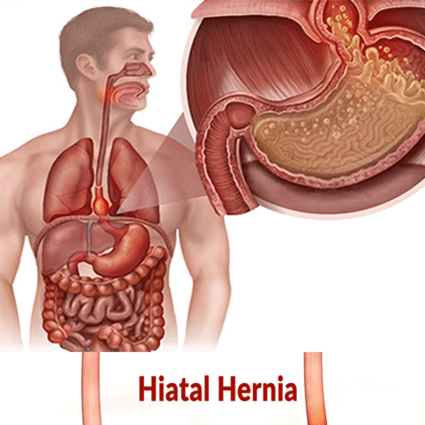
Laparoscopic hiatus hernia repair with fundoplication is an advanced minimally invasive procedure used to treat hiatal hernia and chronic acid reflux (GERD). The surgery restores normal anatomy and strengthens the valve between the food pipe and stomach, providing long-term relief from symptoms.
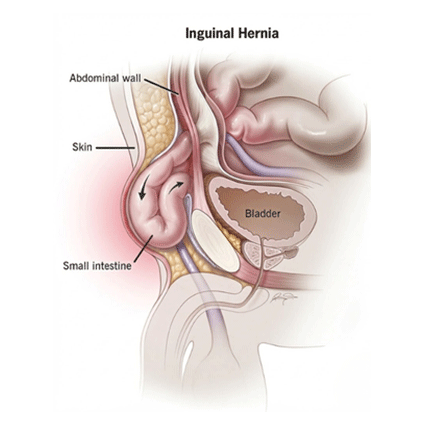
An inguinal hernia occurs when a portion of the intestine or abdominal tissue pushes through a weak spot in the lower abdominal wall near the groin. It is among the most common types of hernias and affects both men and women, though men are more frequently diagnosed. While small hernias may not cause major symptoms initially, they can enlarge over time and lead to discomfort or complications. Understanding its underlying structure and causes helps in timely diagnosis and management, preventing risks like obstruction or strangulation that may require urgent medical attention.
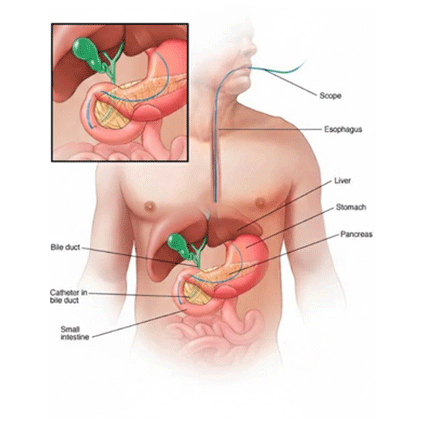
Gallstone disease develops when the natural flow of bile within the gallbladder is disrupted, often leading to pain, bloating, and digestive discomfort. These stones can vary in size and number, sometimes remaining silent until they block the bile ducts. As a Minimal Access Surgeon in New Delhi, Dr. v.s chauhan specializes in identifying gallstone-related complications early through advanced imaging and clinical assessment. Timely diagnosis and intervention not only prevent severe infections like cholecystitis but also protect liver and pancreatic function, ensuring the patient’s overall digestive health remains stable and strong.
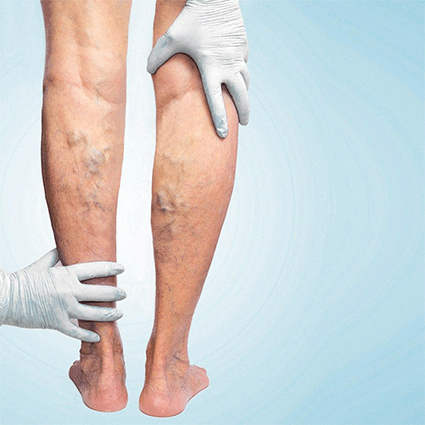
Varicose veins treatment focuses on relieving symptoms, improving appearance, and preventing complications caused by enlarged, twisted veins—most commonly seen in the legs. With modern techniques, varicose veins can now be treated using minimally invasive, day-care procedures with excellent results.

No of Surgery

Laparoscopic Surgery

Work Experience
A laparoscopic surgeon diagnoses and treats a wide range of conditions affecting the abdomen, digestive system, skin, soft tissues, breast, thyroid, and hernias. They are also trained to perform both emergency and planned surgeries.
You should see a laparoscopic surgeon for issues such as:
No. laparoscopic surgeon perform both minor procedures (like lump removal, abscess drainage) and major surgeries (like hernia repair, gallbladder removal, appendectomy).
Laparoscopic surgery is a minimally invasive technique where surgery is done through small cuts using a camera and special instruments. It usually results in:
Most hernias do not heal on their own and usually require surgical repair, especially if they cause pain or are increasing in size.
Yes. Laparoscopic surgery is considered very safe when performed by experienced surgeons and is widely used worldwide.
Not usually. In fact, early movement after surgery is encouraged as it improves healing and reduces complications.
Common pre-surgery tests may include:
Yes, but with proper control and medical supervision, surgery can be done safely. Always inform your surgeon about existing medical conditions.